Dr. David Janssen and Dr. William Doubek are experts in otoplasty, and are helping women and men from places such as Green Bay, Appleton, Fond du Lac, and Sheboygan perfect their personal Renaissance. To learn more about otoplasty, request your consultation in either the Oshkosh or Appleton office using our online form or contact us at 920-233-1540. The non-refundable $100 cosmetic consultation fee can be applied towards the cost of the procedure.

Ear Surgery
People with ears that are overly large or that stick out often feel self-conscious about their appearance. Ear surgery, also known as otoplasty, in Wisconsin at Fox Valley Plastic Surgery can improve the shape, position or proportion of the ear. This surgery can be performed on both young children and on adults, helping them feel more comfortable and secure in their appearance with a minimal risk of complications. Otoplasty can correct a defect in the ear structure that is present at birth, that becomes apparent with development, or it can treat misshapen ears caused by injury.
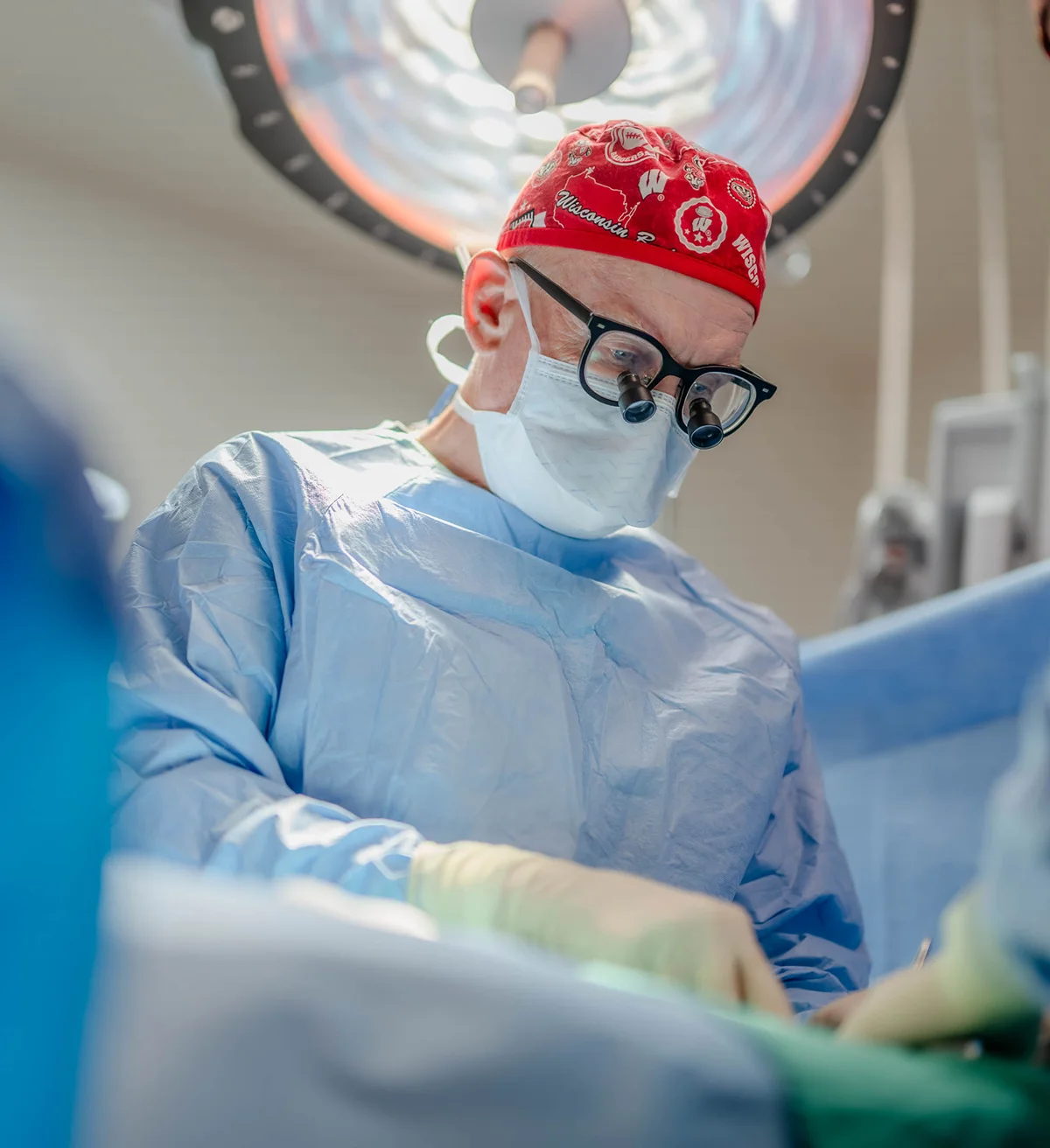
What Is Otoplasty?
Ear surgery creates a natural shape, while bringing balance and proportion to the ears and face. Correction of even minor deformities can have profound benefits to appearance and self-esteem. Ear surgery can treat:
- Overly large ears — a rare condition called macrotia
- Protruding ears occurring on one or both sides in varying degrees — not associated with hearing loss
- Adult dissatisfaction with previous ear surgery
During otoplasty, an incision is made in the back of the ear so that cartilage can be sculpted or folded. Stitches are then used to close the incision and help maintain the new shape. Creating a fold in the cartilage makes the ear lie against the head and appear more normal. The surgery can be performed at our Theda Clark Surgery Center in Oshkosh.
Best Candidates
Children who are good candidates for ear surgery are:
- Healthy, without a life-threatening illness or untreated chronic ear infections
- At least five years old, or when a child’s ear cartilage is stable enough for correction
- Cooperative and follow instructions well
- Able to communicate their feelings and do not voice objections when surgery is discussed
Teenagers and adults who are good candidates for ear surgery, are:
- Healthy individuals who do not have a life-threatening illness or medical conditions that can impair healing
- Non-smokers
- Individuals with a positive outlook and specific goals in mind for ear surgery
What To Expect
Procedure
Anesthesia is administered for the patient’s comfort during the surgical procedure. The choices include local, intravenous sedation or general anesthesia. The anesthesiologist recommend the best choice.
Correction of protruding ears uses surgical techniques to create or increase the antihelical fold (just inside the rim of the ear) and to reduce enlarged conchal cartilage (the largest and deepest concavity of the external ear). Incisions for otoplasty are generally made on the back surface of the ear. When incisions are necessary on the front of the ear, they are made within its folds to hide them. Internal, non-removable sutures are used to create and secure the newly shaped cartilage in place. External stitches close the incision. Techniques are individualized, taking care not to distort other structures and to avoid an unnatural “pinned back” appearance.
Ear surgery offers near immediate results in cases of protruding ears, visible once the dressings that support the new shape of the ear during initial phases of healing are removed. With the ear permanently positioned closer to the head, surgical scars are either hidden behind the ear or well-hidden in the natural creases of the ear.
Discuss your ear surgery options with the experienced surgeons of Fox Valley Plastic Surgery. Contact Fox Valley Plastic Surgery today at 920-233-1540 to request a consultation.
Preparing for Surgery
Prior to surgery, patients may be asked to:
- Get lab testing or a medical evaluation
- Take certain medications or adjust current medications
- Stop smoking well in advance of surgery
- Avoid taking aspirin and certain anti-inflammatory drugs and herbal supplements as they can increase bleeding
Depending on the type of surgery to be performed, otoplasty may be take place in an accredited office-based surgical facility, an ambulatory surgical facility or a hospital. If ear surgery is performed on an outpatient basis, patients must arrange for someone to drive them home after surgery and to stay with them for at least the first night following surgery.
Recovery
Depending the procedure specifics, a compressive bandage and dressings are typically placed at the completion of the surgery to keep the surgical site clean, protect it from trauma and to support the new position of the ear during initial healing. The compressive headband must be worn for 24 hours. The ears will be swollen. At the next 1-3 days, the patient should wear the headband over the ears as much as possible. The majority of the swelling will have gone down. After 3-5 days, most patients can return to work depending on their hairstyle and comfort with swelling in the ears and duties at work. The ears must stay dry for one week. After 1-2 weeks, most patients feel comfortable in social situations. Strenuous activity is not permitted for 2 weeks. A headband is worn at night while sleeping for the next 4-6 weeks. After 3 months, the swelling should have completely subsided.
Discomfort immediately following ear surgery is normal and can be controlled with pain medication. There may be an itchy feeling under bandages. It is essential that bandages remain intact and are not removed, for any reason. Failure to do so may result in loss of some of the correction and may require a secondary surgery.
Ear surgery offers almost immediate results in cases of protruding ears, visible when the dressings that support the new shape of the ear during initial phases of healing are removed. With the ear permanently positioned closer to the head, surgical scars are either hidden behind the ear or well hidden within the natural creases of the ear. The results of more extensive ear surgery and reconstruction may appear in stages over time.
To learn more about otoplasty, contact Fox Valley Plastic Surgery today at 920-233-1540 to request a consultation.
Potential Risks
Patients will sign consent forms to ensure that they fully understand the procedure, the alternatives and the most likely risks and potential complications. Some of the risks include:
- Bleeding (hematoma)
- Blood clots
- Asymmetry
- Infection
- Poor wound healing
- Change in skin sensation
- Skin contour irregularities
- Skin discoloration/swelling
- Anesthesia risks
- Unfavorable scarring
- Allergies to tape, suture materials, glues, blood products, topical preparations or injected agents
- Pain, which may persist
- Possibility of revision
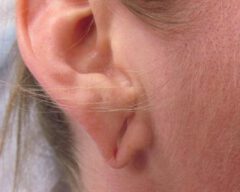
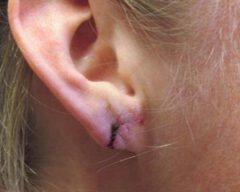
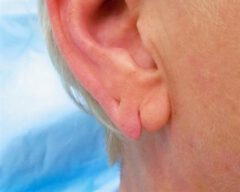
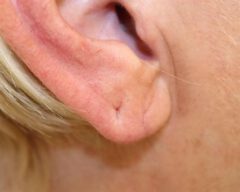
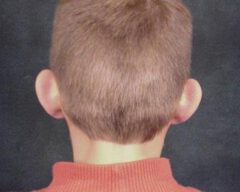
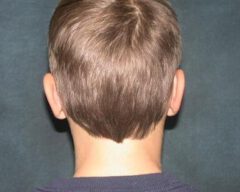
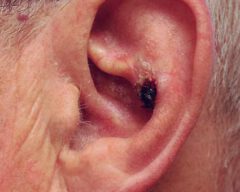
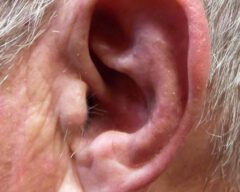
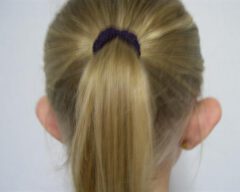
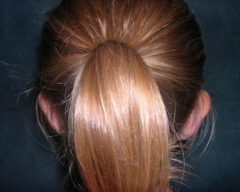
Before & Afters
Real Patients real results
Pricing
In general, an otoplasty costs approximately $10,500. The price includes the surgeon’s fee, the facility fee at the Theda Care Surgery Center, and anesthesia. The pricing is subject to change, and will change if the surgery is done at another facility, and if there are unique circumstances surrounding the surgery, etc.
The use of Strataderm® immediately after wound closure and for several weeks afterwards, is highly recommended for optimal healing. Stratamed is the first film-forming silicone gel-based wound dressing approved for the use on open wounds and compromised skin. Depending on the length of the incision, a tube of Strataderm® costs $32-$54.
Usually there are multiple procedure discounts for cosmetic procedures: 15% off the surgeon’s fee for the 2nd cosmetic procedure, and 30% off the surgeon’s fee for the 3rd procedure. The operating room fee is discounted 50% for the 2nd+ procedure, while anesthesia is based solely on time. There are zero interest financing options available through Care Credit and Alphaeon Credit. There may be additional discounts, which are too varied to be mentioned here.
The non-refundable $100 cosmetic consultation fee can be applied towards the cost of the procedure.
Consultation
We offer consultations at both our Oshkosh and Appleton offices. There is a $100 consultation fee, which can be applied toward the cost of your surgery.
At the otoplasty consultation, patients should be prepared to discuss:
- Why they want the procedure, their expectations and desired outcome
- Medical conditions, drug allergies and medical treatments
- Use of current medications, vitamins, herbal supplements, alcohol, tobacco and drugs
- Previous surgeries
The surgeon may also:
- Evaluate general health status and any pre-existing health conditions or risk factors
- Take photographs for the medical record
- Discuss options and recommend a course of treatment
- Discuss likely outcomes of ear surgery and any risks or potential complications
Start Your journey today
Find out more about otoplasty with Dr. David Janssen. Our board certified Wisconsin plastic surgeons are helping women from all over the upper Midwest to perfect their personal Renaissance. Call 920-233-1540 or request your consultation today.