Varicose Vein Treatment: Key Details

Procedure Time: 30-60 minutes, depending on treatment and area
Anesthesia: Local or regional
Recovery: Walking the same day; most patients back to routine within 24 to 48 hours
Results: Visible improvement within 4-6 weeks, continuing for several months
Number of Sessions: Typically 1-4, depending on treatment type

What Are Varicose Veins?

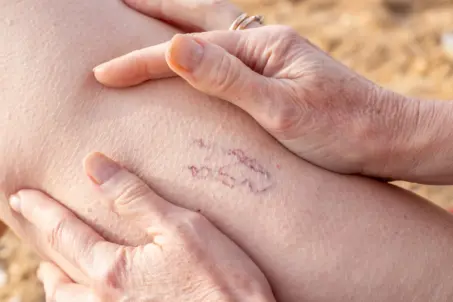
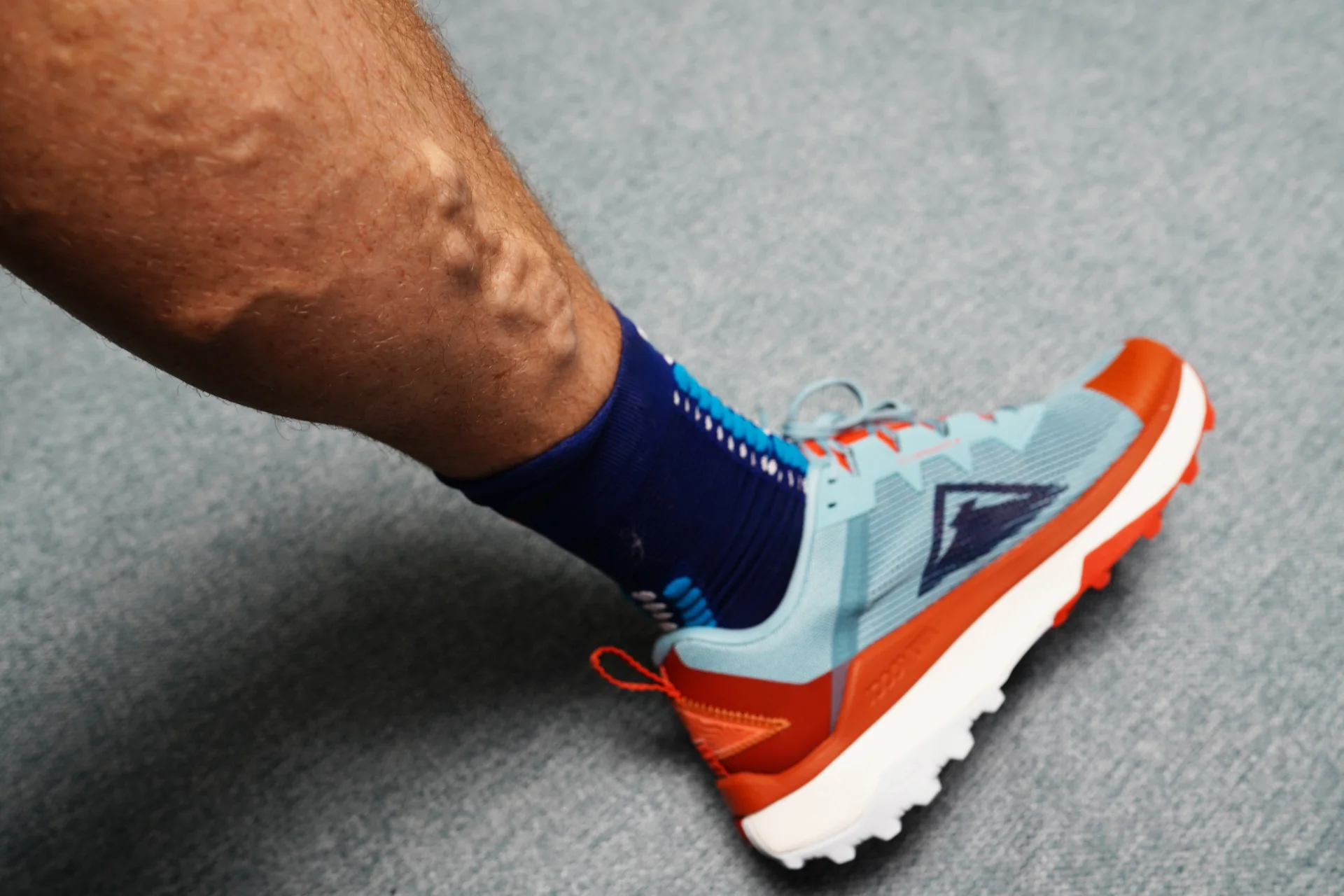
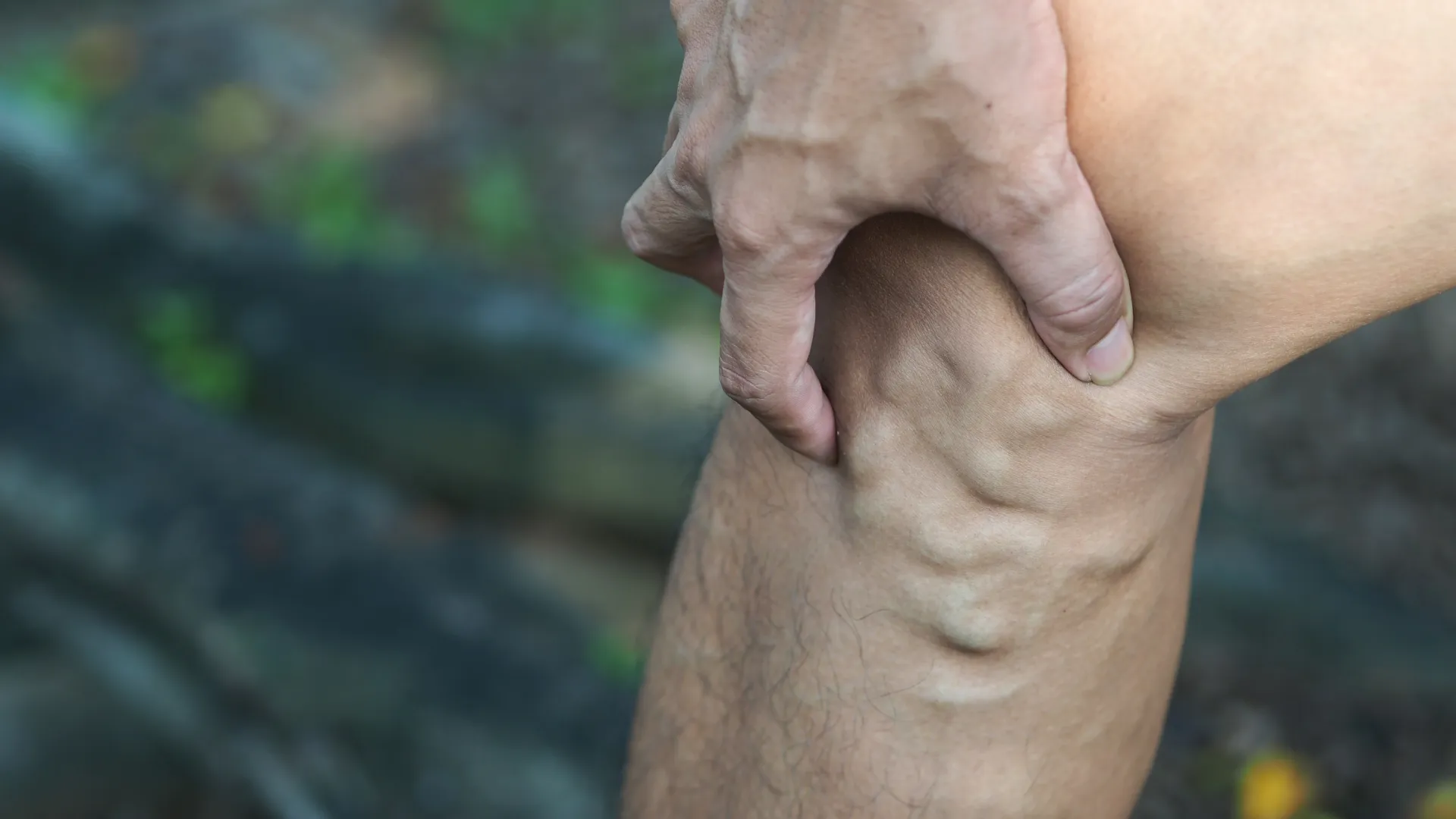
Varicose veins are enlarged, ropey veins that sit just beneath the skin, usually on the legs. They form when the one-way valves inside your veins weaken or stop closing properly. Blood that should be moving back toward the heart pools instead, stretching the vein walls until they bulge.

Most varicose veins are blue or dark purple, and they may twist or bunch in a way that’s noticeably different from healthy veins. Smaller, web-like surface veins are called spider veins, which share the same root cause but stay closer to the skin.

Symptoms can range from mild to severe. Some people only notice the appearance. Others experience aching, heaviness, swelling around the ankles, night cramps, restless legs or itching. Varicose veins are often a visible sign of underlying circulatory issues and, left untreated, may worsen and lead to more advanced chronic venous insufficiency (CVI).

What Causes Varicose Veins in the Legs?

The veins in your legs do hard work. They carry blood upward, against gravity, with the help of small valves that prevent backflow. When those valves weaken, blood pools in the lower legs and pressure builds. Over time, the vein stretches and bulges to the surface.

Several factors raise your risk:

  • Family history of vein disease
  • Pregnancy, which increases blood volume and pelvic pressure
  • Long hours of standing or sitting (nurses, teachers, factory workers, drivers)
  • Excess body weight
  • Hormonal changes, especially during pregnancy and menopause
  • Aging and natural loss of vein elasticity
  • A previous blood clot or leg injury

Women are more likely to develop varicose veins than men, though men account for a meaningful share of the patients we see, especially those whose work keeps them on their feet. Genetics also play a larger role than most people realize. If one or both of your parents had varicose veins, your odds go up considerably.

Varicose Vein Treatments at Fox Valley Plastic Surgery

We offer every major vein procedure at our IAC-accredited center, which means we can match your treatment to your specific anatomy, needs and lifestyle.

Endovenous laser treatment (EVLT)

Endovenous laser treatment is one of the most common procedures for larger varicose veins. A thin laser fiber is guided into the affected vein through a small puncture. The laser delivers heat that closes the vein from the inside, and your body reroutes blood through nearby healthy veins.

EVLT is performed in our office under local anesthesia. Most appointments last 45 minutes to an hour. You can walk out the same day, and most patients return to work within one to two days. Compression hose are worn for about a week afterward.

Radiofrequency ablation (RFA)

Radiofrequency ablation works on the same principle as EVLT but uses radiofrequency energy instead of laser heat to seal the vein. Patients tend to report slightly less bruising afterward, though both techniques have similar long-term success rates. RFA is a strong option for the great saphenous vein (the longest vein in the leg), and for patients who want a gentler recovery.

Varithena™

Varithena is an injectable foam medication that’s especially useful for twisted veins that are difficult to treat with a catheter. Using ultrasound guidance, the foam is injected into affected veins through a small needle, causing them to collapse. There are no incisions and no heat involved. Treatment takes 15 to 30 minutes, and patients walk out wearing compression hose.

VenaSeal™

VenaSeal closes the vein with a medical adhesive rather than heat or a sclerosant. A small amount of the adhesive is delivered through a thin catheter, sealing the vein in seconds. Because VenaSeal causes immediate closure of treated veins, patients can skip compression hose afterward.

Sclerotherapy

Sclerotherapy is the go-to treatment for smaller, surface-level varicose veins and the spider veins that often accompany them. A sclerosing solution is injected directly into the vein, causing it to close and gradually fade. Most patients need two to four sessions to see full results, with visible improvement starting around three to six weeks after the first treatment.

Which Varicose Vein Treatment Works Best?

The right treatment depends on the size of the vein, where it sits in the leg and whether the underlying saphenous system is involved. Below is a side-by-side comparison of your main options at Fox Valley Plastic Surgery.

Varicose Vein Treatment Comparison

The right treatment depends on the size of the vein, where it sits in the leg and whether the underlying saphenous system is involved. Below is a side-by-side comparison of your main options at Fox Valley Plastic Surgery.

EVLT RFA Varithena VenaSeal
Best for Large saphenous veins Large saphenous veins, gentler recovery Twisted veins hard to catheterize Patients wanting no heat, no compression
Method Laser energy Radiofrequency energy Injectable foam Medical adhesive
Anesthesia Regional + sedative Local or regional Local Local
Compression About a week About a week About two weeks Not required
Time 45 to 60 minutes 45 to 60 minutes 15 to 30 minutes 30 to 45 minutes

Every patient gets a duplex ultrasound during their consultation, which lets us see exactly which veins are refluxing and which aren’t. That image guides the recommendation. Your treatment plan may involve a single procedure or a combination, depending on what we find.

Why Choose Fox Valley Plastic Surgery for Vein Care

Fox Valley Plastic Surgery is one of a small number of IAC-accredited vein centers in Wisconsin. IAC accreditation requires independent review of our diagnostic ultrasound protocols, treatment outcomes and patient records against nationally recognized benchmarks. It must be renewed regularly, with standards that continue to rise.

The national three-year closure rate for vein procedures is about 93%. Ours is 97.1%. That difference comes down to experience, consistency and having the right people involved at every step. Sue Miller, our vein center manager, is a registered vascular technician, registered diagnostic medical sonographer and registered radiologic technologist. She works with every patient from the first ultrasound through the final follow-up, ensuring continuity of care.
Drs. David Janssen and William Doubek also bring decades of combined experience and have treated thousands of veins together. With this team approach, your care is guided by people who know what to look for, what to expect and how to plan your treatment well.

Hear From Our Patients

“Sue was fantastic and explained the process to me so I had no surprises on how long it would take to see results and how much it would cost. Getting rid of spider veins is very tedious and Sue expertly picked and poked every last one. The results were amazing and I highly recommend FVPS’s Sue Barta.”

— Jenny O.


“FVPS is professional from receptionist to doctor. When I came in this past summer for vein pain, (even after having the initial vein closure done 5 years ago), Dr. Janssen noticed that my veins didn’t improve and informed me that I have vein reflux. Oh yay I thought….but his response was…”let’s fix this”.


I will never be able to do the staff justice (especially those I don’t name)…but from Meg to Sue (and her awesome honesty) to Dr. Janssen and Dr. Doubek (and their awesome honesty), this is the only place I trust. ( I went through 3 other vein specialists before I called FVPS)”

— Timothy K. 


“Sue Barta/Vein Center treated my varicose veins previously and most recently treated my spider veins. I was very pleased with the results, from both experiences. Everyone I encountered was very professional and friendly. They were very accommodating with scheduling.”

— Mary E.


Read Real Patient Stories

Schedule Your Free Vein Screening

If your legs ache at the end of the day or you’re tired of hiding bulging veins under long pants, we can help. Schedule your free vein screening at Fox Valley Plastic Surgery in Oshkosh, WI, by calling 920-233-1540 or booking online. We’ll perform an ultrasound and put together a treatment plan that fits your goals, your schedule and your insurance coverage.

Book Now

Frequently Asked Questions

Are varicose vein treatments covered by insurance?

In many cases, yes. Treatment for varicose veins that cause pain, swelling, aching, heaviness, skin changes or ulcers is generally considered medically necessary and is covered by most insurance plans, including Medicare. Insurance companies use the CEAP (clinical, etiological, anatomic and pathophysiological) classification to determine medical necessity:

  • C0 to C1: Spider veins or no visible vein disease; cosmetic only; not covered
  • C2: Simple varicose veins; covered when symptomatic
  • C3: Varicose veins with leg swelling; chronic venous insufficiency present; covered
  • C4 to C6: Varicose veins with skin changes, healed ulcers or active ulcers; covered

Most insurance plans require a trial of conservative therapy (compression hose, leg elevation, exercise) for six weeks to three months before approving treatment. We handle the prior authorization paperwork and walk you through the process during your consultation.

Do varicose vein treatments hurt?

At FVPS, we use local or regional anesthesia to ensure your comfort, so most vein treatments involve little to no pain. With EVLT and RFA, you’ll feel pressure and a series of small pinches as the anesthesia is delivered. Once the area is numb, the actual ablation isn’t felt. Sclerotherapy injections feel like a quick sting that fades within a few seconds.

How long do results last?

Treated veins are permanently closed. They cannot reopen. Vein disease, however, is a progressive condition. About 5% to 10% of patients see new varicose veins develop within five years of treatment. Wearing compression hose, staying active, maintaining a healthy weight and elevating your legs at the end of the day all help reduce the chance of recurrence.

What happens if I leave varicose veins untreated?

Some varicose veins stay stable for years. Others worsen, especially when the underlying saphenous vein is leaking. Untreated venous reflux can lead to chronic venous insufficiency, which causes leg swelling, skin discoloration around the ankle, dry or itchy skin and (in more advanced cases) venous ulcers that are slow to heal. Catching the problem earlier means simpler treatment and better long-term outcomes.

What is IAC accreditation?

IAC accreditation means our vein center has been independently evaluated and certified by the Intersocietal Accreditation Commission. The IAC reviews our ultrasound protocols, treatment outcomes, staff credentials and patient records against national standards. For patients, this means the diagnostic information guiding your treatment plan has been verified, and the people performing your procedures have the training to back it up.

Request Your Cosmetic Surgery Consultation

MM slash DD slash YYYY
Newsletter Option
Terms

By checking the box on the contact form, you agree to the Terms of Use listed here: Communications through our website or via email are not encrypted and are not necessarily secure. Use of the internet or email is for your convenience only, and by using them, you assume the risk of unauthorized use. By checking this box you hereby agree to hold , its doctors and affiliates, harmless from any hacking or any other unauthorized use of your personal information by outside parties.