
Date July 1, 2026
Categories Laser Institute Medi Spa
Yes, some sun damage treatments can be performed during the summer, but the safest option depends on your skin type, treatment area, recent sun exposure, and ability to avoid the sun during recovery.
Treatments such as microneedling and Sciton MOXI® may be considered during the summer for properly selected patients. BroadBand Light, commonly called BBL®, is often postponed when a patient is tanned or expects significant sun exposure.
There is no single best treatment for sun damage in every season or for every patient. A professional skin evaluation is necessary to determine which option is most appropriate.
Why Does Sun Exposure Matter?
Many laser and light treatments interact with melanin, the pigment responsible for skin color. A recent tan increases melanin throughout the treatment area, which can make energy-based treatment less predictable.
Treating recently tanned skin may increase the risk of:
- Burns or blistering
- Prolonged redness
- Post-inflammatory hyperpigmentation
- Hypopigmentation or loss of pigment
- Uneven results
- Delayed healing
Sun exposure after treatment can also cause problems. Healing skin is more vulnerable to UV damage and pigment changes, making careful sun protection essential before and after any procedure.
Microneedling During the Summer
Microneedling is a mechanical treatment rather than a laser or light-based procedure. A medical microneedling device uses small needles to create controlled microchannels in the skin. This process initiates a wound-healing response that can stimulate collagen production.
FDA-authorized microneedling devices may be used for specific concerns such as facial wrinkles, facial acne scars, and abdominal scars in adults age 22 and older. The exact authorized uses depend on the device.
Although microneedling does not target melanin with light energy, it is not risk-free during the summer. Patients who are tanned or who expect substantial sun exposure during the two weeks following treatment may not be appropriate candidates. Sun exposure during healing may increase the likelihood of pigmentation changes.
Only products specifically recommended by your medical provider should be applied after microneedling. The FDA has not authorized microneedling devices to deliver cosmetics, retinol, vitamin solutions, medications, or blood products into the skin. Strong skincare ingredients may also sting or irritate freshly treated skin.
Can MOXI Treat Sun Damage in the Summer?
Sciton MOXI is a gentle, non-ablative fractional laser that uses a 1927-nanometer wavelength. The treatment targets water within skin cells and creates microscopic treatment zones that stimulate the body’s healing response.
MOXI may help improve:
- Early sun damage
- Uneven pigmentation
- Rough skin texture
- Mild signs of aging
- Dull or uneven skin tone
Because MOXI primarily targets water rather than pigment, it can often be used across a broader range of skin types and seasons than treatments that directly target melanin. However, describing any laser as completely “summer safe” is misleading. Recent tanning, planned outdoor activity, medications, skin type, and treatment intensity must still be considered.
Patients generally need a series of MOXI treatments to achieve their goals. The number of sessions depends on the severity of the sun damage and the strength of each treatment.
Why Is BBL Often Avoided During the Summer?
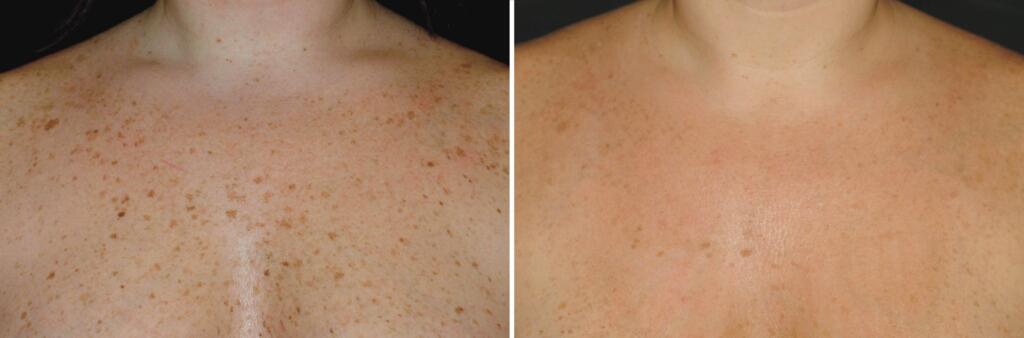
BBL is one of our most effective treatments for brown spots, age spots, redness, and uneven pigmentation. Unlike MOXI, BBL uses light energy that is absorbed by specific targets in the skin, including melanin.
When you have a tan, BBL may also target the additional melanin throughout your skin instead of concentrating only on unwanted brown spots. This can cause the skin to absorb too much energy and increase the risk of burns or pigment changes.
Think about a white car and a black car sitting in a sunny parking lot. The darker car absorbs more light and becomes hotter. In a similar way, skin with more pigment can absorb more light energy during treatment.
The season itself is not the problem. The primary concerns are tanning, prolonged UV exposure, and the ability to protect the treated area. A patient who avoids tanning and follows strict sun precautions may still be eligible for BBL during warmer months, while someone with recent or planned sun exposure may need to wait.
Can Sun Exposure After BBL Affect Results?
Yes. The skin is more vulnerable to sunburn and pigmentation changes after BBL. Sun exposure during the healing period can contribute to new discoloration and may compromise the treatment results.
Sciton’s BBL aftercare instructions advise patients to avoid direct sun exposure for 14 days after treatment and consistently use broad-spectrum sunscreen. Your provider may recommend additional precautions based on your skin and treatment settings.
How to Protect Your Skin Before and After Treatment
Sun protection is essential year-round, but it becomes especially important before and after treatments for sun damage.
Follow these precautions:
- Apply a broad-spectrum sunscreen with SPF 30 or higher every day.
- Use enough sunscreen to cover all exposed skin.
- Reapply approximately every two hours when outdoors and after swimming or sweating.
- Avoid tanning beds and intentional tanning.
- Seek shade, particularly during peak daylight hours.
- Wear a wide-brimmed hat, sunglasses, and UV-protective clothing.
- Tell your provider about recent sun exposure or upcoming travel.
- Follow all treatment-specific skincare instructions.
Sunscreen is essential, but it should not be your only form of protection. Clothing and shade provide additional defense against UV exposure.
Which Summer Sun Damage Treatment Is Right for You?
Selecting a treatment involves more than looking at the calendar. During your consultation, we consider:
- Your natural skin tone
- Whether you have a recent tan
- The type and depth of your pigmentation
- Your history of hyperpigmentation
- Your skincare routine and medications
- Upcoming vacations and outdoor activities
- Your ability to follow post-treatment sun precautions
- Your desired results and acceptable downtime
Some patients may benefit from a summer treatment such as microneedling or MOXI. Others may achieve safer or better results by beginning physician-grade skincare during the summer and waiting until fall or winter for BBL.
Schedule a Sun Damage Consultation
Treatments can improve existing sun damage, but lasting results also require changes in daily habits. Consistent sunscreen, protective clothing, shade, and an appropriate skincare routine help prevent new damage and protect your investment.
The Fox Valley Plastic Surgery Medispa offers personalized treatments for sun damage in Oshkosh and Appleton, Wisconsin. Contact us at 920-233-1540 to schedule a skin evaluation and learn whether microneedling, MOXI, BBL, or another treatment is right for you.