Preparing for the Procedure
Patients should cleanly shave the skin the day before the treatment. On the day of the treatment, patients should wear clothing that will allow easy access to the treatment area. We will test a small area on some new patients before undergoing a full treatment. This gives the patients an idea of how the treatment will feel, and the length of time it will take to obtain the desired result.
Procedure
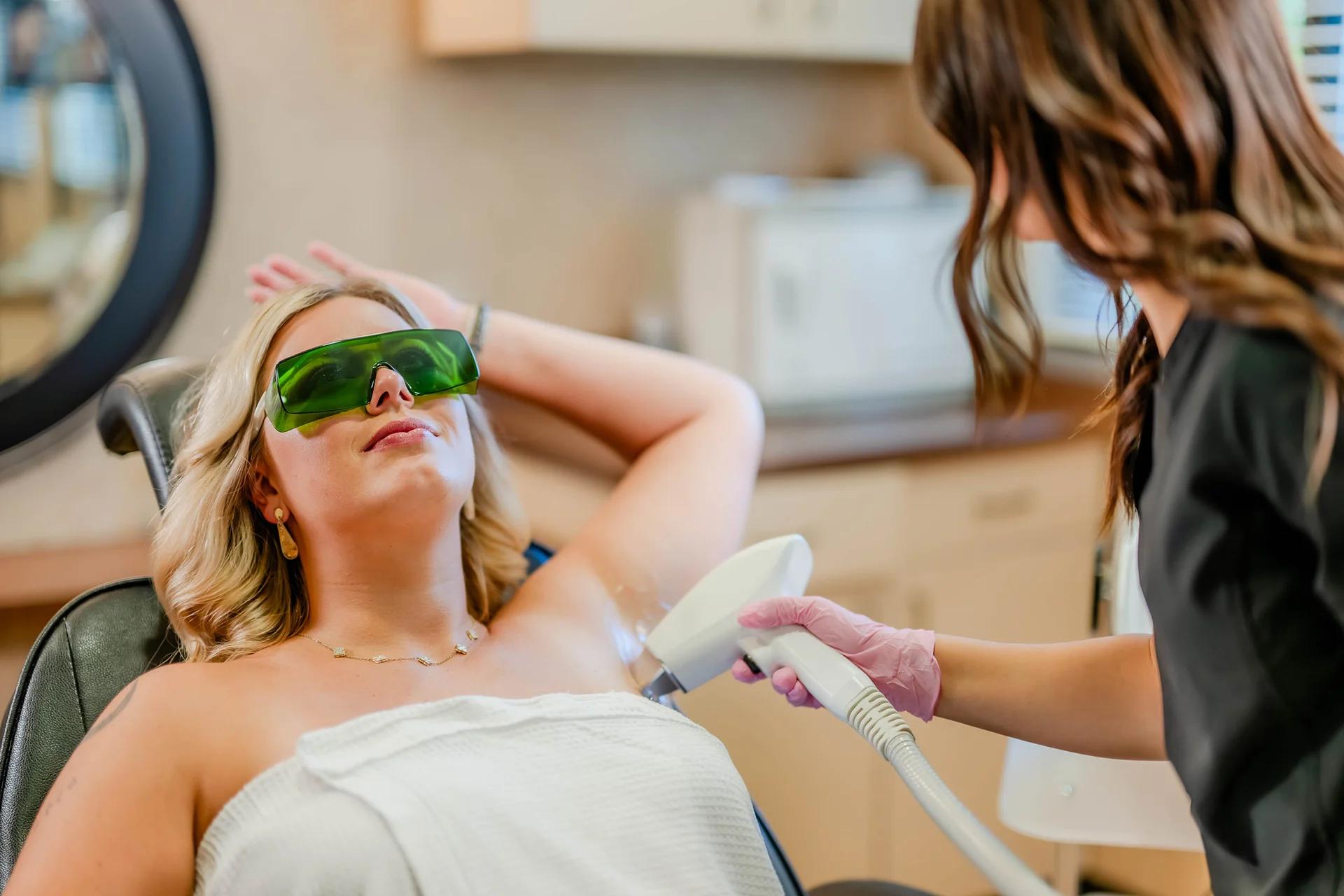
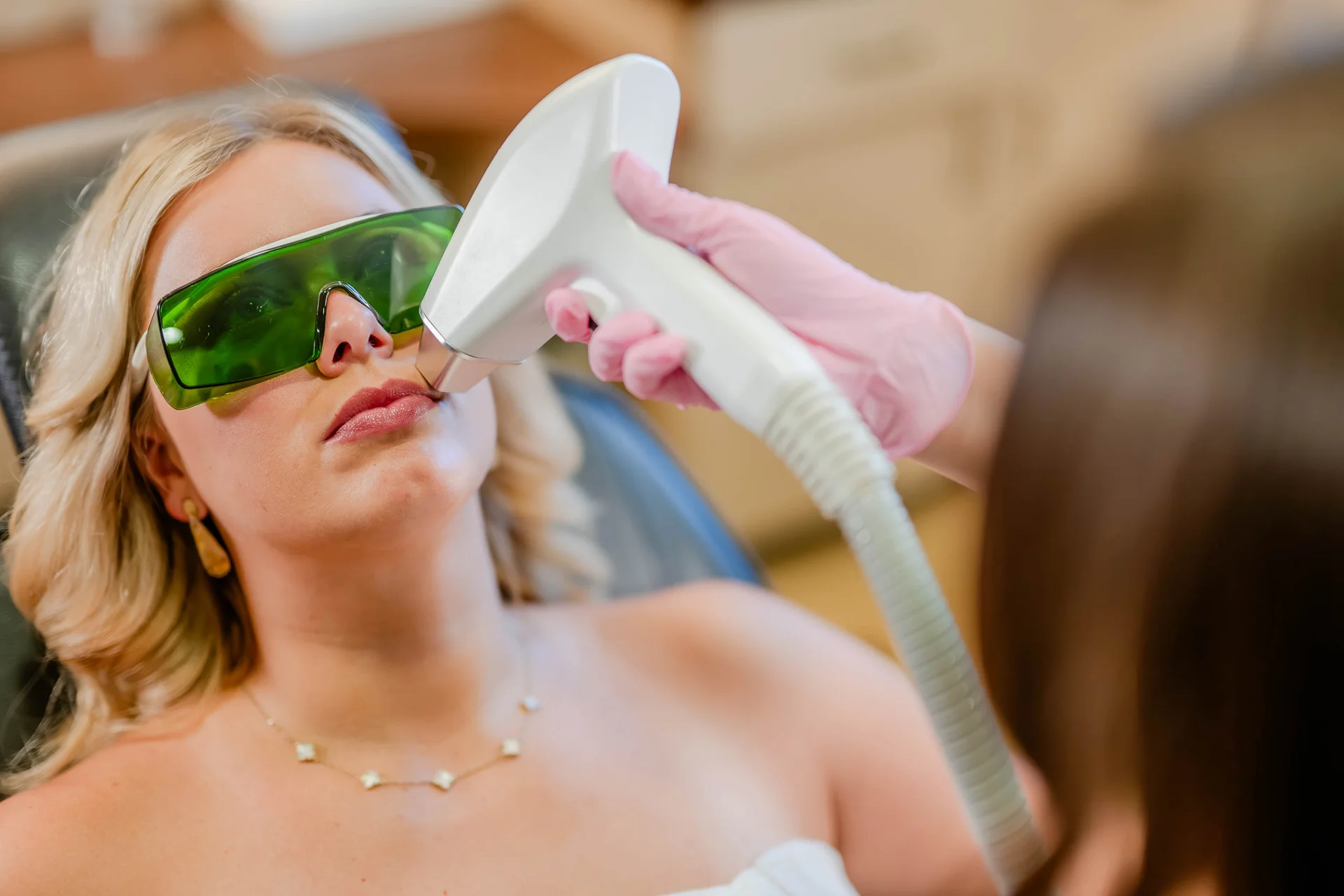
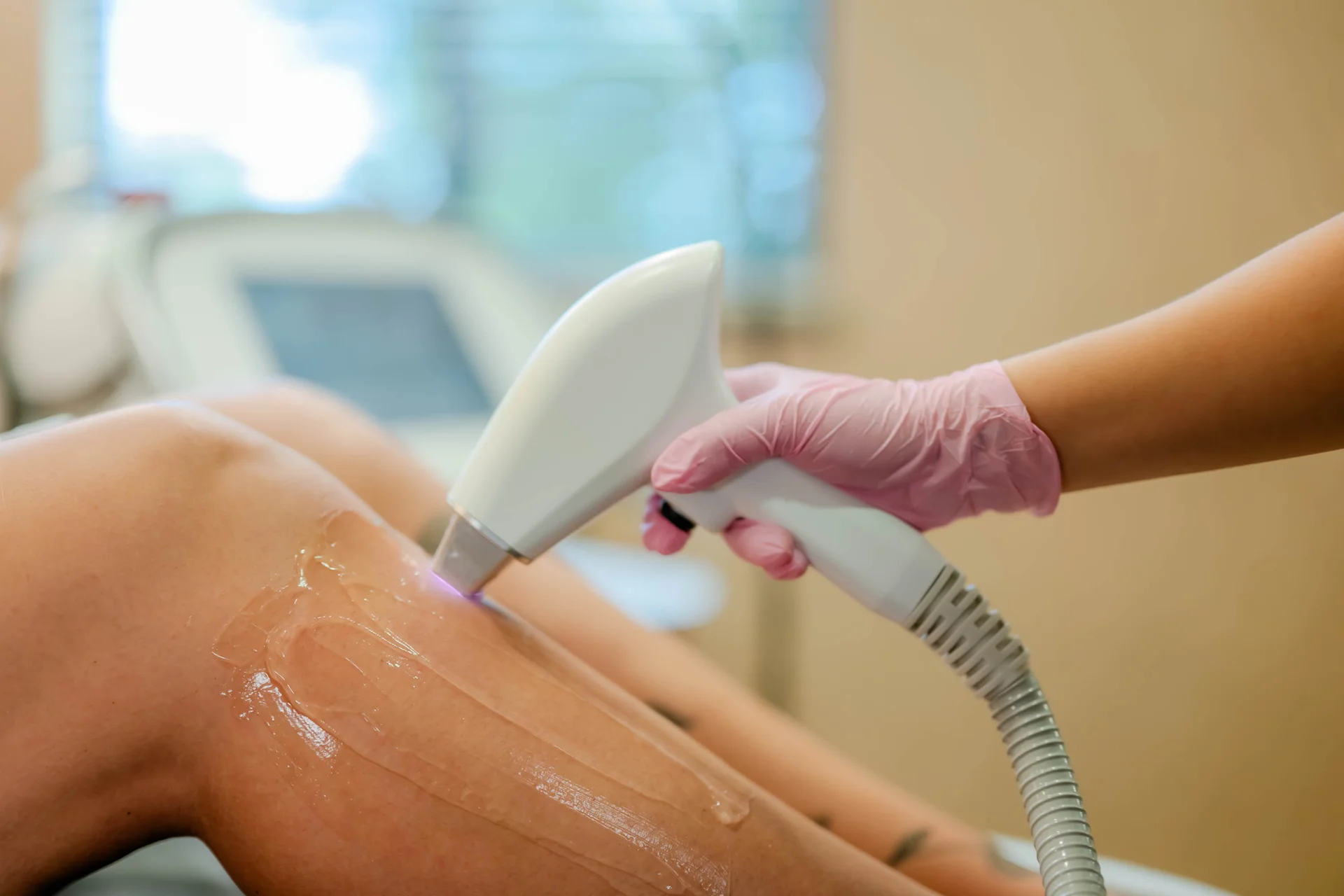
The laser technician scans the treatment area with laser light. The continuous cooling feature ensures patient comfort and safety during treatment. Because each patient has his or her own level of skin sensitivity and pain threshold, the technician can tune the Cervello to a comfortable level for every patient. Different areas on the body are also more sensitive than others.
To learn more about laser hair removal, contact the Laser Institute of Wisconsin at 920-233-1540 to request your free laser consultation.
Recovery
Patients can resume all activities immediately afterwards. Patients can see results in 2 to 3 weeks post-treatment. Some redness and slight swelling may be present in the treatment area. However, this should subside within a few hours. Some redness may remain for five to seven days.
Strictly avoid any sun exposure to the treated area for a minimum of 7 days after the procedure. The treated area is more prone to sunburn and pigmentation change. Keep the area covered, and use a sun block with a protection factor of 30+. Some patients experience delayed blistering secondary to sun exposure up to 72 hours post treatment.
Until sensitivity has completely subsided, avoid all of the following:
- Use of scented lotions or soaps, deodorants, exfoliant creams (Retin-A, glycolic/salicylic and alpha-hydroxy acids), acne creams or gels, loofah sponges and aggressive scrubbing
- Hot or cold water – wash with tepid water
- Swimming pools and spas with multiple chemicals/chlorine
- Activities that cause excessive perspiration
Hair appears to grow for several days. Then hair falls out by day 10-14. The next phase of hair regrowth is usually thinner hair at 6-8 weeks. Because the laser affects hairs in active growth phase, which is usually 20% of hairs present, this is the time when the treatment is most effective. Therefore, we typically space out treatments according to the growth phase, which is 3-4 weeks for the face and 6-8 weeks for the rest of the body.
Results
On average, each laser treatment will cause some permanent hair reduction. Several treatments can achieve long lasting hair reduction. The number of treatments will depend on each patient’s individual response to laser surgery, and the amount of hair to be removed. Patients can maintain the results of laser hair reduction with twice yearly treatments of laser hair removal.
Sometimes the goal may not be total hair removal. Many patients are happy with a reasonable degree of hair reduction. Hair that remains is often lighter in color and thinner than the original hair prior to laser treatment.
Potential Risks
Laser hair removal does not guarantee permanent hair removal. Some hair could be resistant to the laser treatment or grow again after treatment. The new hair growth might be finer and lighter in color.
Short term effects may include reddening, swelling, bumps, mild burning, temporary bruising or blistering. Hyperpigmentation (darkening of skin) and hypopigmentation (lightening of skin), although rare may occur. These conditions usually resolve within 3-6 months, but permanent color change is a rare (less than 1%) risk. Avoiding sun or tanning bed exposure before and after treatment reduces the risk of color change.
Infection following treatment is unusual, but bacterial, fungal and viral infections can occur. The laser treatment may stimulate herpes simplex virus infections around the mouth. This applies to individuals with a past history of herpes simplex virus infections and individuals with no known history of herpes simplex virus infections in the mouth area. If skin infection should occur, additional skin treatments or prescription antibiotics may be necessary.
Allergic reactions, although very rare, may occur. In rare cases, hives have been reported after laser hair reduction treatments. If you experience an irritated raised rash after treatment contact the office. Benadryl may be taken to help relieve the itchiness.
There is a slight risk of scarring and skin textural changes. It is important that patients follow all post treatment instructions carefully. Compliance is crucial for healing and prevention of scarring.
Discuss your concerns at your personal consultation. Contact the Laser Institute of Wisconsin at 920-233-1540 to request your free laser consultation.