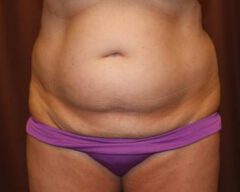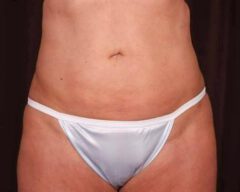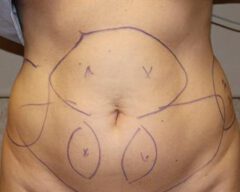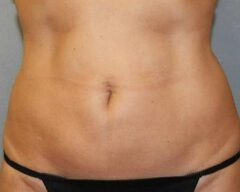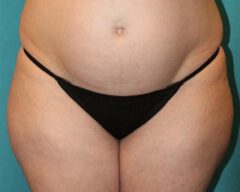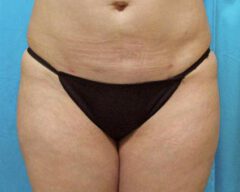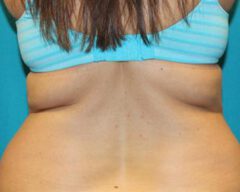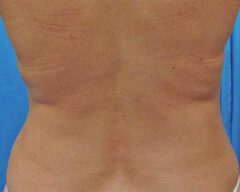
Procedure
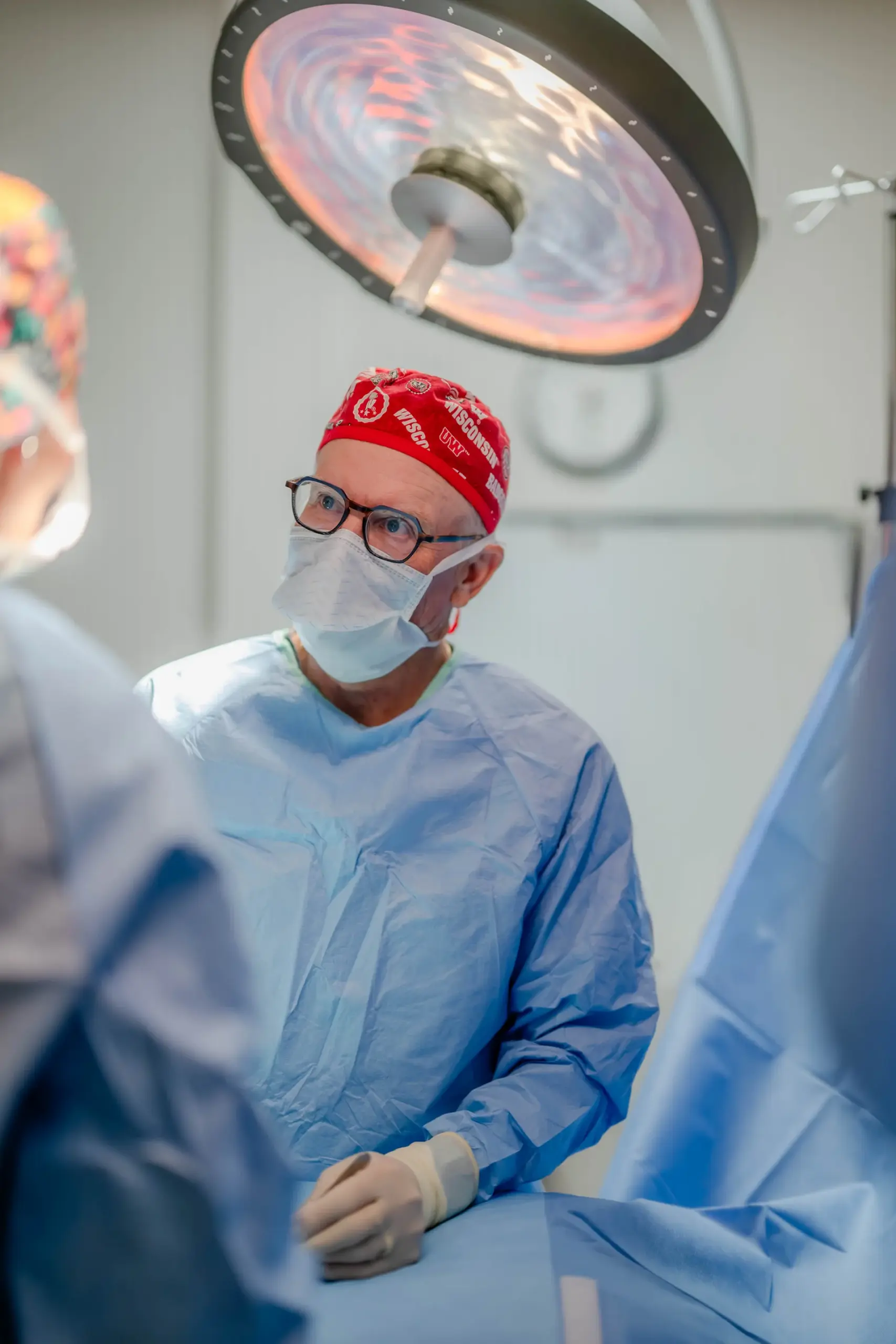
Our Wisconsin Plastic Surgeons use Tumescent Liposuction, also known as traditional liposuction, for large areas with the patient under general anesthetic. To begin the procedure, the anesthesiologist will administer anesthesia. Anesthesia options include intravenous sedation or general anesthesia, and the anesthesiologist will recommend the best option.
Liposuction is performed through small, inconspicuous incisions, which are usually located in the skin folds or contour lines. The area will be infused with tumescent fluid to reduce bleeding and trauma. Then the surgeon inserts a thin hollow tube, or cannula, through the incisions to loosen excess fat using a controlled back and forth motion.
The surgeon does this gently with a power-assisted liposuction device that vibrates the cannula. The vibration allows the cannula to pass through the fat with greater ease, reducing trauma, pain, and bruising. The surgeon will then suction out the dislodged fat using a surgical vacuum or syringe attached to the cannula. Once the swelling and fluid retention subside, the improved body contour will be apparent.
Preparing for Surgery
In preparing for liposuction surgery, patients may be asked to:
- Get lab testing or a medical evaluation
- Take certain medications or adjust current medications
- Stop smoking
- Avoid taking aspirin, anti-inflammatory drugs, and herbal supplements as they can increase bleeding
At this time, liposuction can be performed in an accredited office-based surgical facility, licensed ambulatory surgical center, or a hospital. Patients should arrange for someone to drive them to and from surgery and to stay with them for at least the first night following surgery.
Recovery
During recovery, a compression garment or elastic bandages may cover treatment areas once the procedure is completed. These help to control swelling and compress the skin to the new body contours. Your surgeon may place small temporary drains in existing incisions beneath the skin to remove any excess blood or fluid. Given that, patients will be given specific instructions that may include:
- How to care for the surgical site and drains
- Medications to apply or take orally to aid healing and reduce the potential for infection
- Specific concerns to look for at the surgical site
- When to follow up with the office
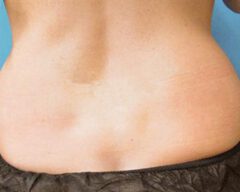
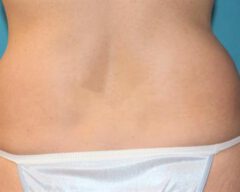
There will be bruising and swelling in the first month. It may take several months for the swelling to fully dissipate. As it does, the new contours should continue to develop. The results of liposuction will be long lasting, provided that weight and general fitness remain stable.
As the body ages, it is natural to lose some firmness, but most of the improvement should be relatively permanent. Following post operative instructions is key to the success of surgery. It is important that the surgical incisions are not subjected to excessive force, swelling, abrasion, or motion during the time of healing.
The ability to return to work at a desk job depends on a patient’s individual healing ability, pain tolerance and motivation. Liposuction patients typically take off 2-3 days before returning to a desk job. There will be swelling and bruising. After work, the compression garment will still need to be worn as much as possible. It can take over a month before the swelling has completely subsided.
Potential Risks
Patients will be asked to sign consent forms to ensure that they fully understand the procedure and any risks and potential complications. For instance, liposuction risks include:
- Anesthesia risks
- Bruising
- Change in skin sensation that may persist
- Damage to deeper structures such as nerves, blood vessels, muscles, lungs, and abdominal organs
- Deep vein thrombosis, cardiac and pulmonary complications
- Fluid accumulation
- Infection
- Irregular contours or asymmetries
- Irregular pigmentation
- Need for revision surgery
- Persistent swelling
- Poor wound healing
- Rippling or loose skin, worsening of cellulite
- Swelling
To reduce excess skin, secondary procedures may be recommended. As a result, special considerations are needed when large amounts of fat are suctioned.