Early Treatment for Healthier Skin

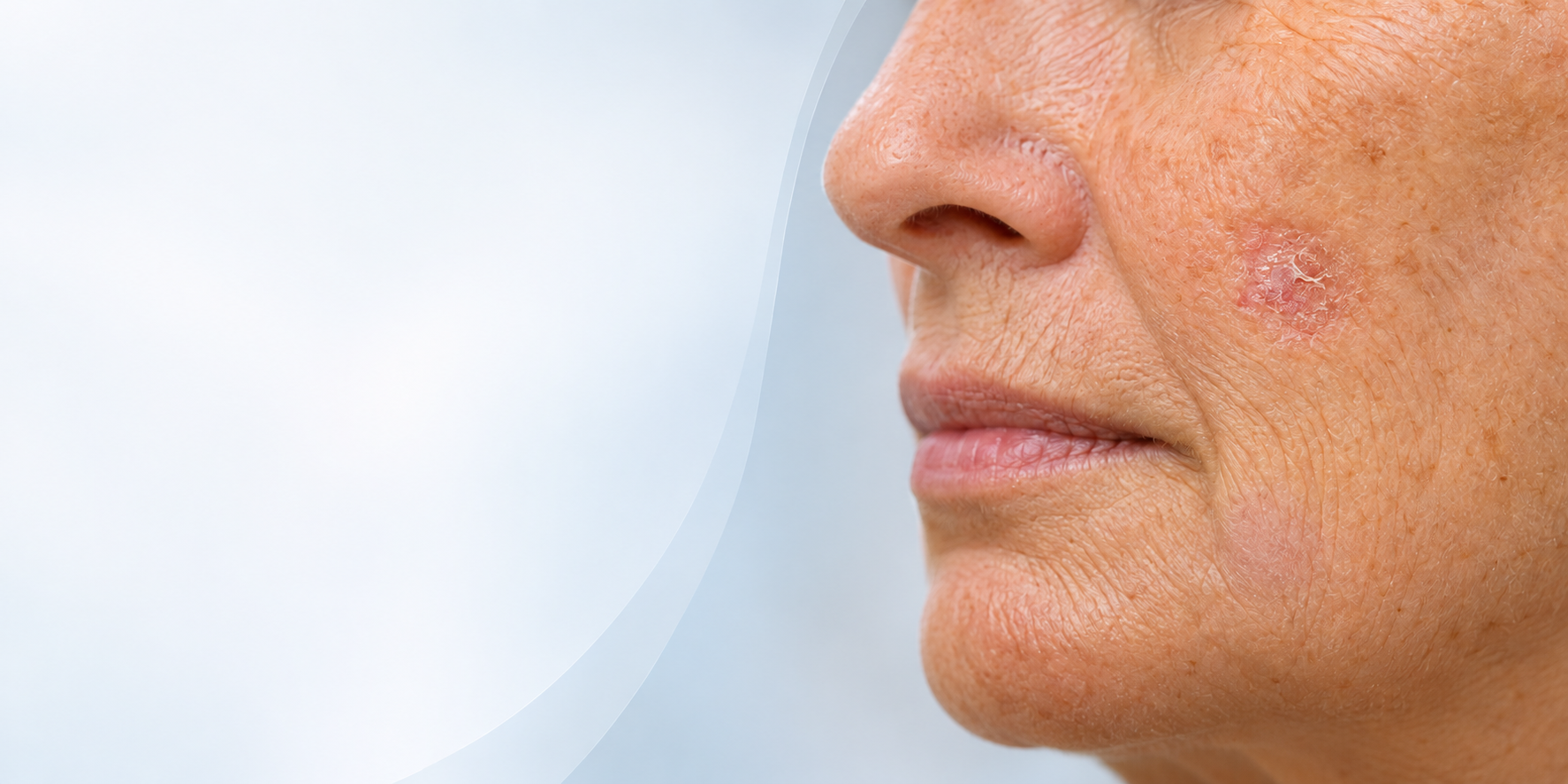
Actinic keratoses (AKs) are common precancerous skin growths caused by years of sun exposure. They often appear as rough, dry, or scaly patches on the face, scalp, arms, and other sun-exposed areas.

Although not all actinic keratoses develop into skin cancer, some can progress to squamous cell carcinoma if left untreated.

Fox Valley Plastic Surgery offers evaluation and treatment of actinic keratoses, including non-surgical Levulan® Blue Light Photodynamic Therapy through our MediSpa. Our providers develop individualized treatment plans based on the number, location, and appearance of your lesions.

ACTINIC KERATOSIS: KEY DETAILS

  • Procedure Time: 15 minutes for application, incubation time of up to 3 hours, and 17 minutes of photodynamic therapy
  • Anesthesia:  None
  • Recovery: Often 3–7 days of redness and peeling after Levulan; varies with other treatments
  • Results: Gradual improvement as treated skin heals
  • Combination Procedures: Levulan PDT, individual lesion treatment, and biopsy when indicated
  • Approximate Cost: Normally covered by insurance, self-pay options

UNDERSTANDING YOUR CONCERN

What Is Actinic Keratosis?

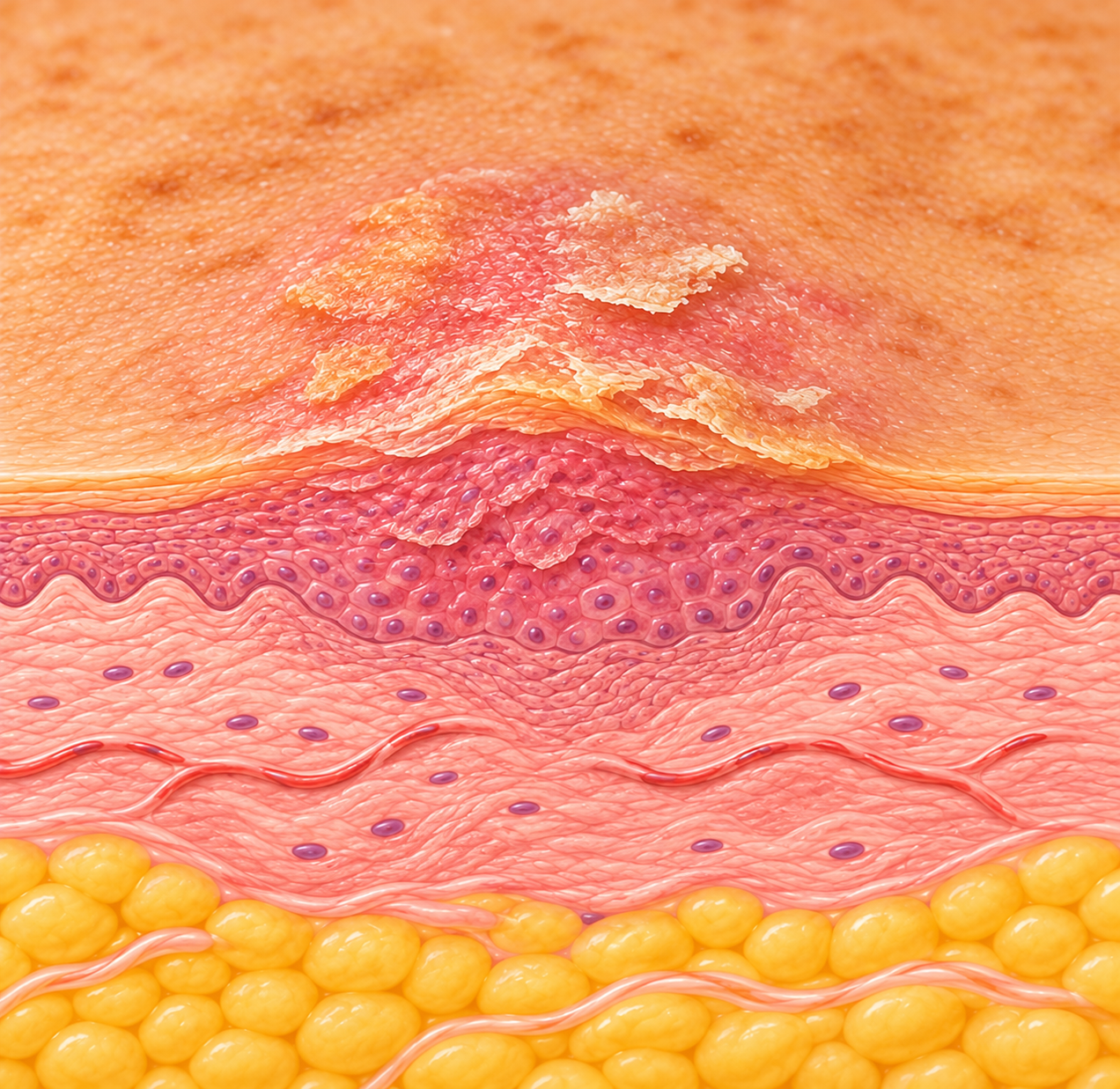
Actinic keratosis, sometimes called solar keratosis, is a precancerous skin condition that develops when ultraviolet (UV) radiation damages cells in the outermost layer of the skin. These damaged cells can multiply abnormally, producing rough, scaly patches that may be easier to feel than see.

ak cross section

Actinic keratoses most commonly appear on areas exposed to sunlight over many years, including the face, scalp, ears, neck, forearms, and backs of the hands.

Common characteristics include:

  • Rough or scaly texture: Often feels like sandpaper.
  • Different colors: May appear pink, red, tan, brown, or skin-colored.
  • Flat or slightly raised: Some lesions develop a thicker, crusted surface.
  • Single or multiple: Several lesions may develop in the same sun-exposed area.
  • Occasional discomfort: Some spots may itch, sting, or feel tender.

What Causes Actinic Keratoses to Form?

Actinic keratoses develop primarily from cumulative UV damage to the skin. Several factors increase the likelihood of developing these precancerous growths:

  • Long-term sun exposure: Years of outdoor activities, work, or recreational sun exposure can damage skin cells.
  • Tanning beds: Artificial UV radiation contributes to skin damage.
  • Age: Actinic keratoses become more common as sun damage accumulates over time.
  • Fair skin: Individuals with lighter skin, hair, and eye colors are generally at greater risk.
  • Weakened immune systems: Certain medical conditions and medications can increase susceptibility.
  • Previous skin cancer: Patients with a history of skin cancer or significant sun damage may develop additional actinic keratoses.

Can Actinic Keratoses Be Prevented?

Not every actinic keratosis can be prevented because much of the damage develops gradually over many years.

However, protecting your skin from UV radiation can help reduce the risk of developing new lesions.

Ways to protect your skin include:

  • Apply broad-spectrum sunscreen with SPF 30 or higher daily.
  • Avoid tanning beds.
  • Wear protective clothing and wide-brimmed hats.
  • Seek shade during peak sunlight hours.
  • Examine your skin regularly for new or changing spots.
  • Maintain regular dermatology examinations when recommended.

Even with excellent sun protection, previously damaged skin may continue to develop new actinic keratoses.

Are Actinic Keratoses Skin Cancer?

Actinic keratoses are considered precancerous rather than invasive skin cancers.

Some lesions may resolve without treatment, while others persist or progress to squamous cell carcinoma. It is difficult to predict which individual lesions will become cancerous.

For this reason, medical evaluation and appropriate treatment are important, especially for lesions that become thicker, painful, rapidly enlarging, or begin bleeding.

YOUR TREATMENT PLAN

Actinic Keratosis Treatment Options

Treatment begins with an evaluation of the affected skin. Our providers consider the number of lesions, their thickness, location, previous treatment, and your history of sun damage or skin cancer. Some treatments target individual growths, while others treat a broader area of sun-damaged skin.

Levulan® Blue Light Photodynamic Therapy

Levulan Blue Light Photodynamic Therapy (PDT) is a non-surgical treatment for appropriate actinic keratoses. Available through our MediSpa, this treatment combines a topical light-sensitive medication called aminolevulinic acid (ALA) with specialized blue light.

The medication is applied to the treatment area and absorbed by abnormal skin cells. After an appropriate waiting period, blue light activates the medication to help destroy targeted precancerous cells.

Benefits of Levulan therapy may include:

  • Treating multiple actinic keratoses within an eligible treatment area.
  • Addressing certain visible and less noticeable precancerous skin changes.
  • Avoiding surgical incisions and stitches.
  • Treating a broader area of sun-damaged skin rather than only individual spots.

Levulan is particularly useful for selected patients with multiple actinic keratoses on the face or scalp. Treatment eligibility depends on the formulation, location, and characteristics of the lesions.

Individual Lesion Treatment

Some actinic keratoses are better treated individually, particularly when only a few spots are present.

Depending on the lesion and clinical findings, options may include freezing with liquid nitrogen, curettage, or other appropriate procedures. Your provider will recommend treatment based on the lesion’s characteristics and available services.

Shave Removal or Biopsy

Thick, tender, bleeding, rapidly changing, or otherwise suspicious lesions may require a biopsy or surgical removal to determine whether skin cancer is present.

Tissue may be submitted to pathology for examination. When removal is necessary, our providers consider the location, surrounding structures, and appropriate wound closure.

Topical Prescription Treatments

Certain prescription creams or ointments can treat multiple actinic keratoses over a broader area of skin.

Depending on the diagnosis and treatment needs, your provider may discuss topical treatment or coordinate care with your dermatologist.


Personalized Treatment Planning

Patients with extensive sun damage may benefit from a combination of treatments.

For example, a suspicious lesion may require biopsy or surgical removal, while surrounding precancerous actinic keratoses may be treated separately with Levulan Blue Light Therapy.

Our goal is to select the appropriate treatment for each skin concern while considering healing, comfort, and long-term skin health.

WHAT TO EXPECT

Your Treatment Journey

1. Evaluation

Your provider examines the affected skin, reviews your medical history, and determines whether the lesions are consistent with actinic keratoses or require additional testing.

2. Treatment Planning

We explain appropriate treatment options, including Levulan PDT, individual lesion treatment, or biopsy when indicated. Insurance coverage, self-pay costs, and expected recovery are discussed.

3. Treatment

Depending on your plan, treatment may be performed in the office or coordinated through our MediSpa. Levulan therapy requires medication application, an absorption period, and light activation.

4. Recovery

You receive instructions for protecting and caring for the treated skin. Redness, sensitivity, crusting, and peeling may occur depending on the procedure.

5. Follow-Up

Your provider evaluates healing and treatment response. Additional treatments or ongoing dermatology examinations may be recommended.

INSURANCE & SELF-PAY OPTIONS

Understanding Your Treatment Costs

Insurance may cover medically necessary actinic keratosis treatment, including eligible Levulan Blue Light Therapy, depending on your plan and diagnosis.

For patients without coverage or those who prefer self-pay, Fox Valley Plastic Surgery offers the following Levulan treatment options:

  • Branded Levulan®: $699 per stick
  • Compounded aminolevulinic acid 20%: $349

These are the published self-pay prices for the medication-based treatment options. Your provider will confirm the appropriate formulation, treatment area, and total anticipated charges.

Additional treatments, biopsies, or pathology services may involve separate charges.

Know Your Costs Before Treatment

Schedule an evaluation to discuss your treatment options, insurance eligibility, and anticipated expenses.

Actinic Keratosis (AK) Treatment

Expert Care for Sun-Damaged Skin

Lauren Sullivan, APNP

Actinic keratoses (AK’s) are rough, scaly spots caused by long-term sun exposure. They are common and can be a warning sign of skin cancer, so timely treatment is important.

Your care starts with a skin evaluation and a personalized treatment plan. We offer both in-office removal of individual AK’s and field therapy, including Levulan® (aminolevulinic acid) with Blue Light Photodynamic Therapy, which treats multiple sun-damaged areas and helps reduce future AK’s.

Lauren Sullivan, APNP, leads our non-surgical skin treatments, including Levulan/Blue Light therapy. With extensive experience in skin health, vein care, and aesthetic procedures, Lauren provides a personalized, comfortable experience with a focus on healthy, clearer skin.

Frequently Asked Questions

Is actinic keratosis a form of skin cancer?

Actinic keratosis is considered a precancerous skin condition rather than invasive skin cancer. Some lesions can develop into squamous cell carcinoma, which is why evaluation and appropriate treatment are important.

What is the difference between actinic keratosis and seborrheic keratosis?

Actinic keratoses develop from UV damage and are considered precancerous. Seborrheic keratoses are benign skin growths that often appear waxy, raised, or stuck onto the skin. Although they may look similar, their causes, cancer risks, and treatment options differ.

Can actinic keratosis go away on its own?

Some actinic keratoses may disappear without treatment, but others persist or return. Because it is difficult to predict which lesions could progress to skin cancer, professional evaluation is recommended.

What is Levulan Blue Light Therapy?

Levulan PDT combines a topical light-sensitive medication with specialized blue light to treat appropriate actinic keratoses. It is particularly useful for patients with multiple precancerous spots within an eligible treatment area.

Is Levulan treatment painful?

Patients may experience tingling, stinging, burning, or discomfort during light activation. Redness, swelling, and peeling are common afterward. Your treatment team will explain what to expect and how to manage discomfort.

How many Levulan treatments will I need?

The number of treatments depends on the extent of sun damage, the number and thickness of the lesions, and your response. Some patients require additional treatment sessions to achieve the desired clearance.

How long does it take to recover from Levulan therapy?

Redness and peeling commonly last approximately 3–7 days, although recovery varies. Patients must also avoid direct sunlight and bright indoor light for at least 48 hours after treatment.

Can actinic keratoses return after treatment?

Yes. Successfully treated lesions may clear, but new actinic keratoses can develop because of previous sun damage. Ongoing sun protection and regular skin examinations remain important.

Does Levulan treat skin cancer?

Levulan PDT is used for appropriate actinic keratoses and is not a replacement for biopsy or surgical treatment of suspected or confirmed invasive skin cancer. Your provider will determine whether a lesion requires further testing or removal.

Does insurance cover Levulan Blue Light Therapy?

Many insurance plans cover Levulan therapy for qualifying actinic keratoses, but coverage depends on medical necessity, treatment location, and plan requirements. Self-pay options are also available at Fox Valley Plastic Surgery.

Other Surgical Dermatology Treatments

Fox Valley Plastic Surgery provides surgical dermatology services for patients throughout Oshkosh, Appleton, Neenah, Menasha, Fond du Lac, and surrounding Fox Valley communities without a long wait time for appointment availability. Our experienced medical team evaluates and treats a wide range of skin conditions, from bothersome benign growths to lesions that may require testing for skin cancer. Many procedures can be performed conveniently in our office using local anesthesia, allowing patients to return home shortly after treatment.

Start Your journey today

Early evaluation and treatment of precancerous skin changes can help protect your skin and address the effects of years of sun exposure. At Fox Valley Plastic Surgery, our team offers individualized evaluation, appropriate office-based procedures, and Levulan Blue Light Photodynamic Therapy.

Schedule your consultation today to learn which treatment is right for you.

Book a Consultation

Request Your Cosmetic Surgery Consultation

Date(Required)
Newsletter Option
Terms

By checking the box on the contact form, you agree to the Terms of Use listed here: Communications through our website or via email are not encrypted and are not necessarily secure. Use of the internet or email is for your convenience only, and by using them, you assume the risk of unauthorized use. By checking this box you hereby agree to hold , its doctors and affiliates, harmless from any hacking or any other unauthorized use of your personal information by outside parties.