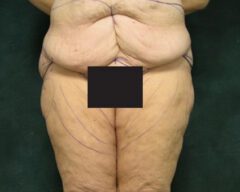
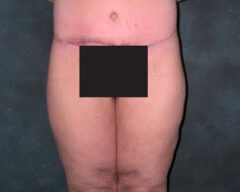
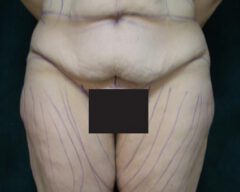
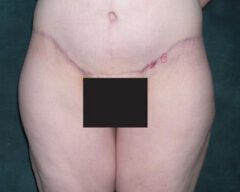
General Procedure Description
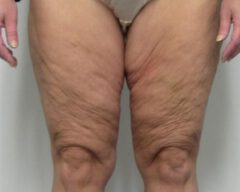
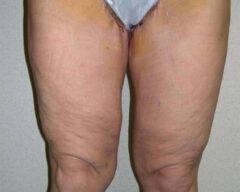
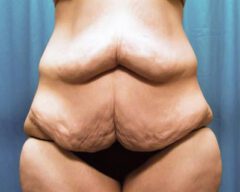
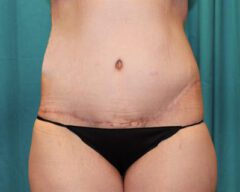
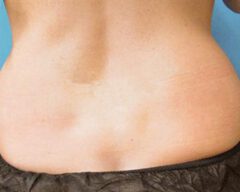
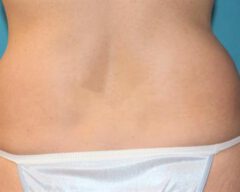
A complete lower body lift has the advantage of treating the buttocks, abdomen, waist, hips and thighs in one procedure. Basically, the lower body lift extends the tummy tuck incision completely around the lower torso, which allows the surgeon to lift or re-suspend the thighs and tighten the buttocks as well as to execute the traditional tummy tuck. The length and the pattern of incisions depend on how much extra skin is removed and where that skin is located.
Example of Procedure Description
Although there are many variations of a body lift, here is a typical scenario for performing this procedure:
- The surgeon will create a circumferential incision extending around your torso, through which he will remove an apron of excess skin and fat below the incision and reposition and tighten your tissues.
- Then he will pull upward the remaining skin in the buttocks and thighs, and suspend and tighten the skin and underlying tissues. The surgeon positions the patient on the tummy or side during this part of the procedure.
- Once the surgeon has addressed the back and sides, the surgeon positions the patient on the back so that he can work on the front side.
- At this point, the surgeon can combine the lower body lift with a tummy tuck (abdominoplasty) or an inner thigh lift, if the abdomen does not require contouring.
- The surgeon will close the incisions in multiple layers over drains to control stretching and swelling. Deep support sutures within the underlying tissues help to form the newly shaped contours. The surgeon uses sutures, skin adhesives or tapes to close the skin incisions.
- The surgeon will extend the incisions around the body to remove excess skin and fat from the abdomen, outer thighs, buttocks, hips and waist.
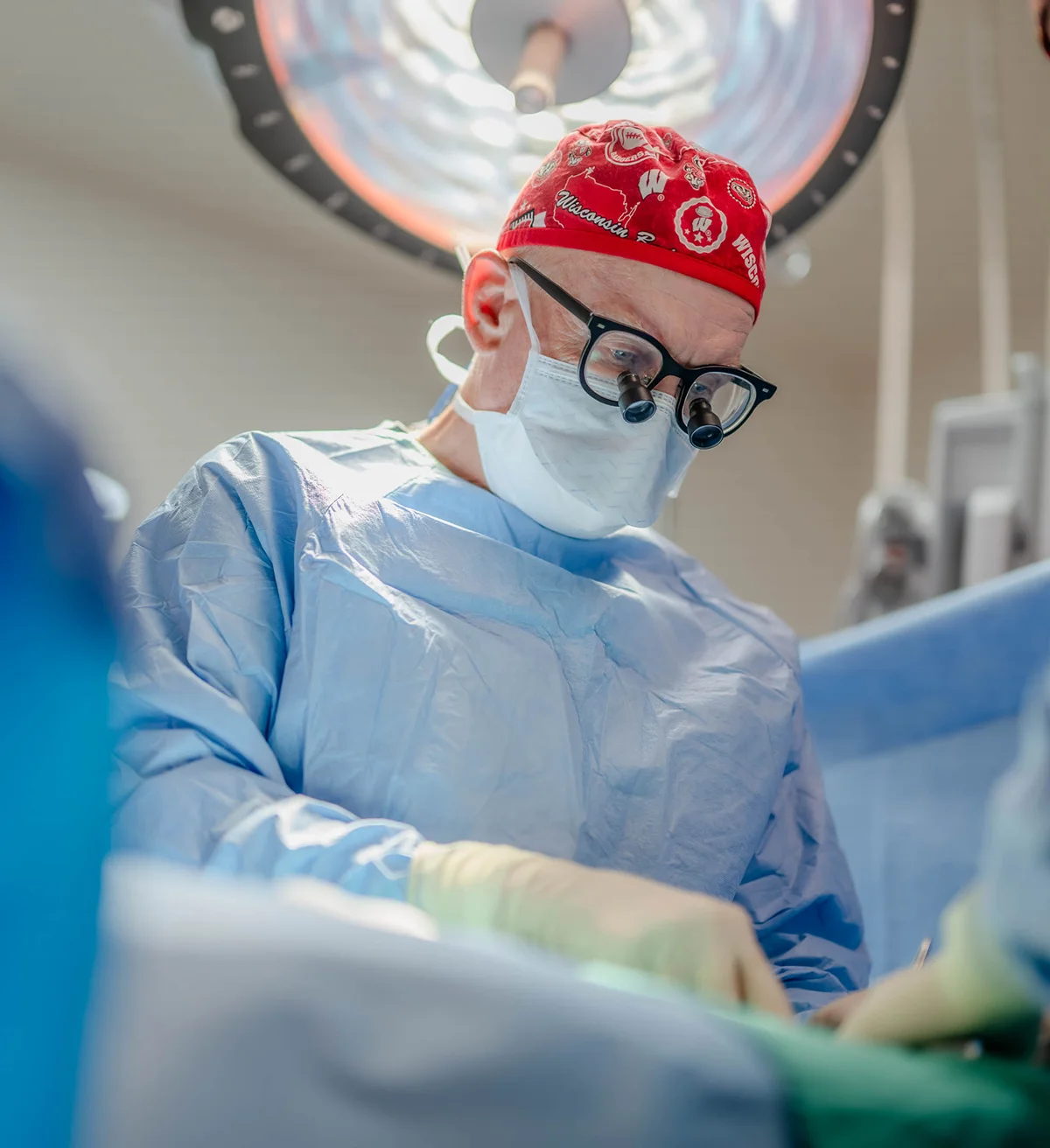
Dr. David Janssen and Dr. William Doubek are experts in body lifts. The Wisconsin plastic surgeons are helping women and men from places such as Green Bay, Appleton, Fond du Lac, and Sheboygan perfect their personal Renaissance. Contact Fox Valley Plastic Surgery at 920-233-1540 to request your consultation in either the Oshkosh or Appleton office.
Scar Placement
The surgeon designs the lower body lift scar, which extends around the circumference of the torso, to be hidden by underwear. He places the scar low on the stomach, just above the pubic hair area, and extends toward the hip bones. At the hip bone the scar gently curves toward the top of the buttock crease to meet the incision from the other side. Clothing easily hides the scar.
Recovery
Immediately after surgery, patients can generally expect to have bandages and wear compression garments, and have some surgical drains. Patients may spend at least two days in the hospital or another setting in which there is skilled nursing care. During this time patients will receive training on taking care of the drains, get comfortable walking and moving, and feel comfortable with oral pain medications.
Once the anesthesia wears off, there may be some pain. There will be some redness and swelling after the surgery. In some cases, the swelling will remain for weeks or even months.
Patients need help at home after surgery. Patients will not feel like their normal selves for at least two weeks. They should avoid strenuous activity, including lifting, for 4-6 weeks. This is especially important during the first two weeks.
Compression garments, which are usually not comfortable to wear, controls swelling, supports the suspended tissues, and smooth and flatten the skin.
Drains Placed for Recovery
The surgeon places drains, which also control swelling, to remove fluid that accumulates within the incisions. The patient measures the amount of fluid in the drains daily. Once the output falls low enough, the office will remove the drains. Drains typically remain in place two to three weeks, but may be left longer. Most patients complain about the drains the most, but they are a necessary component of the procedure. Once the office has removed the drains, movement is easier.
Discomfort will dissipate over a week or two after the surgery. The doctor will prescribe pain medication before the surgery so that patients have it available immediately after the surgery. The office typically removed sutures about two weeks after surgery in the office. Full healing of the circumferential incisions may take four weeks or even longer. Wound separations may occur, delaying wound healing (but rarely requiring further surgery). Patients who have undergone bariatric surgery, tend to have the most complications and slowest healing times. It is vital to follow physician orders to order to fully recover.